It Started on a Pickleball Court. Two Years Later, Here We Are.
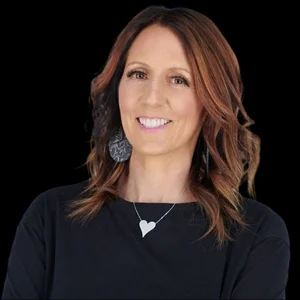
Cathey Armillas was in the middle of a pickleball game when the idea hit.
Not a vague this-might-be-something feeling. A specific, fully-formed idea with a format, a reason, and a conviction that it should exist. The kind of clarity that only comes when you’ve been sitting with a problem long enough that your brain finally solves it between volleys.
She called Marc Williams before she left the court.
If you know anything about Cathey and Marc, this tracks. They have been each other’s sounding board, sparring partner, and speaking community, in the truest sense of both words, for years. Cathey is a TEDx coach, organizer, and speaker. Marc is a three-time finalist at the World Championship of Public Speaking, founder of his own coaching practice, and the person Cathey trusts to tell her the honest version of what he thinks. They have been talking about speaking craft, communication theory, and what good actually looks like in a room for as long as either of them can remember.
So when Cathey said she had an idea, Marc listened. And when she laid it out, he said yes.
The problem they were trying to solve
Here is what Cathey and Marc kept running into, separately, across years of coaching: people would come to a workshop, get energized, walk out with new insights about their speaking, and then not practice. The problem was not that people didn’t care. There was simply nowhere to go.
A workshop is an event. A course is a curriculum. What neither of them is, structurally, is a place you can return to every week and actually do the reps.
Think about it this way. Nobody goes to the gym once and expects to be fit. Nobody takes a single piano lesson and then performs a recital. You do not learn to swim by reading about it and you do not get better at speaking by attending a one-time event and going home.
Speaking is a physical skill. It lives in the body. It requires repetition, feedback, failure at a manageable scale, and then more repetition. Every great communicator you have ever watched, every person who seemed effortlessly present and connected and clear, got that way through a volume of practice most people never see.
What Cathey and Marc wanted to build was a gym for your words. Not a workshop and not a course. A place where you come back every week and do the work.
How SSA was built
The first iteration of Speaker Skills Academy was live sessions and real feedback. That part has never changed. What changed was everything around it: the programming, the community, the structure, the way the membership tiers work, and the growing recognition that the people who kept showing up were building something more than a skill. They were building relationships with a room full of people who were doing the same thing they were.
Two years in, SSA looks like this:
Skills Drills™: The weekly core. Short, focused reps on specific speaking skills, with real-time coaching feedback. The kind of drill that can change a habit in a single session if you’re paying attention. You get the note. You try it again. You feel the difference. You come back next week.
Power Drills™: Shorter, more intense sessions built around one skill, worked deeply in a tight window of time. For the people who want to know what they’re made of when the pressure is on.
Show & Tell™: Bring the real thing. A talk, a pitch, a story you’ve working on. The room works on it with you. The feedback is real, from people who know what landing looks like because they’ve been doing the reps too.
The Open Session: Once a month, SSA opens the doors to the public. Free, live, 90 minutes, same drills and same coaches, open to anyone who wants to see what this community is actually about before committing to anything.
Idea Talks and Creative Lab
The gym analogy goes a long way. But Cathey and Marc were always building toward something bigger than weekly sessions. They wanted SSA members to have a stage, not just a practice room. And they wanted the community to experience real speaking, live and in person, in the kind of rooms where ideas actually land.
That is what Idea Talks is.
Idea Talks is SSA’s annual speaker event. Members who have been doing the work, drilling, practicing, getting the feedback, bring a single compelling idea to a stage that is open to the public. Short, idea-driven talks designed to spark thinking and challenge perspective. Coached by the SSA community coaches. Real talks, real ideas, real audience.
This is the gym having a match day. The moment where the reps pay off in a room that didn’t know you before you walked in.
And then there is Creative Lab.
Creative Lab is twice-yearly and in person. SSA members gather in a city (Portland, New York) for a handful of days of immersive experience. They attend live speaking events together: Moth Story Slam, TEDx, PechaKucha. They watch world-class communicators do the thing SSA has been training them for. Then they debrief it together as a group: what worked, what landed, what they noticed about structure and presence and connection that you only see when you’ve watching it happen live.
Creative Lab is not a workshop you attend. It is an experience you live and then bring back with you. The kind of thing that shifts how you see speaking, not just how you do it.
The community that gathered around all of it
Here is the part that Cathey and Marc did not fully predict, and that I think matters more than any single feature of the programming.
The people who showed up to practice their speaking also found each other.
SSA’s membership is what happens when you put the same kind of people in the same room repeatedly: people who are serious about communication, who take feedback without crumbling, who want to actually get better and not just feel like they did. That community builds something over time that no programming decision can manufacture. It is the room itself, and the people in it, that keep people coming back.
That is also why the Community Coaching program exists: the certification program Cathey and Marc built to train SSA’s most committed members to coach in the SSA method. The community coaches are not outsiders hired to teach. They are members who have been inside the room long enough to hold it for someone else. Six of them, right now. The number will grow.
Two years in, and here is what we know
The gym metaphor still holds. But two years of building has added something to it.
The gym is also a team. The coaches are also members. The stage at Idea Talks used to be a practice room. The conversations at Creative Lab in Portland are still happening between people who flew home to different cities and stayed in each other’s lives.
Cathey and Marc built something that was always supposed to be about practice. What they could not have entirely planned for is what practice does to people when it happens in community, in a room full of other people who are trying just as hard, who will be honest with you because they know you’ll be honest with them, and who will show up next week because they know you will too.
That is what SSA has become. And it started on a pickleball court.
If you want to see where it goes next, the door is open. It always has been.
Rose Kaz is SSA’s Community Tech Wizard and co-founder of Business 4 Good. Meet the Founders →
Keep Reading
TEDx coach, organizer, and Speaker Skills Academy co-founder. On what she has built, and where she’s taking it.
Community Why (Human) Stories Matter to (Artificial) IntelligenceI built a con artist into one of my favorite stories on purpose. AI could never write that mine. It only works because it’s true.
Mindset Why You Should Practice Speaking In Person Now That AI Can Do Almost Everything ElseAn MIT-trained creative technician makes the case for the one skill AI cannot replace: live, in-person communication.
Looking for older articles? Browse the Full Archive
Cathey Armillas was in the middle of a pickleball game when the idea hit.
Not a vague this-might-be-something feeling. A specific, fully-formed idea — with a format, a reason, and a conviction that it should exist. The kind of clarity that only comes when you’ve been sitting with a problem long enough that your brain finally solves it between volleys.
She called Marc Williams before she left the court.
If you know anything about Cathey and Marc, this tracks. They have been each other’s sounding board, sparring partner, and speaking community — in the truest sense of both words — for years. Cathey is a TEDx coach, organizer, and speaker. Marc is a three-time finalist at the World Championship of Public Speaking, founder of his own coaching practice, and the person Cathey trusts to tell her the honest version of what he thinks. They have been talking about speaking craft, communication theory, and what good actually looks like in a room for as long as either of them can remember.
So when Cathey said she had an idea, Marc listened. And when she laid it out, he said yes.
The Problem They Were Trying to Solve
Here is what Cathey and Marc kept running into, separately, across years of coaching: people would come to a workshop, get energized, walk out with new insights about their speaking — and then not practice. Not because they didn’t care. Because there was nowhere to go.
A workshop is an event. A course is a curriculum. What neither of them is, structurally, is a place you can return to every week and actually do the reps.
Think about it this way. Nobody goes to the gym once and expects to be fit. Nobody takes a single piano lesson and then performs a recital. You do not learn to swim by reading about it and you do not get better at speaking by attending a one-time event and going home.
Speaking is a physical skill. It lives in the body. It requires repetition, feedback, failure at a manageable scale, and then more repetition. Every great communicator you have ever watched — every person who seemed effortlessly present and connected and clear — got that way through a volume of practice most people never see.
What Cathey and Marc wanted to build was a gym for your words.
Not a workshop. Not a course.
A place where you come back. Every week. And do the work.
How SSA Was Built
The first iteration of Speaker Skills Academy was live sessions and real feedback. That part has never changed. What changed was everything around it — the programming, the community, the structure, the way the membership tiers work, and the growing recognition that the people who kept showing up were building something more than a skill. They were building relationships with a room full of people who were doing the same thing they were.
Two years in, SSA looks like this:
Skills Drills™ — The weekly core. Short, focused reps on specific speaking skills, with real-time coaching feedback. The kind of drill that can change a habit in a single session if you’re paying attention. You get the note. You try it again. You feel the difference. You come back next week.
Power Drills™ — Shorter. More intense. One skill, worked deeply in a tight window of time. For the people who want to know what they’re made of when the pressure is on.
Show & Tell™ — Bring the real thing. A talk, a pitch, a story you’re working on. The room works on it with you. Not polite feedback — real feedback, from people who know what landing looks like because they’ve been doing the reps too.
The Open Session — Once a month, SSA opens the doors to the public. Free, live, 90 minutes, same drills and same coaches, open to anyone who wants to see what this community is actually about before committing to anything.
Idea Talks and Creative Lab
The gym analogy goes a long way. But Cathey and Marc were always building toward something bigger than weekly sessions. They wanted SSA members to have a stage, not just a practice room. And they wanted the community to experience real speaking — live, in person, in the kind of rooms where ideas actually land.
That is what Idea Talks is.
Idea Talks is SSA’s annual speaker event. Members who have been doing the work — drilling, practicing, getting the feedback — bring a single compelling idea to a stage that is open to the public. Short, idea-driven talks designed to spark thinking and challenge perspective. Coached by the SSA community coaches. Real talks, real ideas, real audience.
This is the gym having a match day. The moment where the reps pay off in a room that didn’t know you before you walked in.
And then there is Creative Lab.
Creative Lab is twice-yearly and in person. SSA members gather in a city — Portland, New York — for a handful of days of immersive experience. They attend live speaking events together: Moth Story Slam, TEDx, PechaKucha. They watch world-class communicators do the thing SSA has been training them for. Then they debrief it together as a group — what worked, what landed, what they noticed about structure and presence and connection that you only see when you’re watching it happen live.
Creative Lab is not a workshop you attend. It is an experience you live and then bring back with you. The kind of thing that shifts how you see speaking, not just how you do it.
The Community That Gathered Around All of It
Here is the part that Cathey and Marc did not fully predict, and that I think matters more than any single feature of the programming.
The people who showed up to practice their speaking also found each other.
SSA’s membership is what happens when you put the same kind of people in the same room repeatedly: people who are serious about communication, who take feedback without crumbling, who want to actually get better and not just feel like they did. That community builds something over time that no programming decision can manufacture. It is the room itself, and the people in it, that keep people coming back.
That is also why the Community Coaching program exists — the certification program Cathey and Marc built to train SSA’s most committed members to coach in the SSA method. The community coaches are not outsiders hired to teach. They are members who have been inside the room long enough to hold it for someone else. Six of them, right now. The number will grow.
Two Years In, and Here Is What We Know
The gym metaphor still holds. But two years of building has added something to it.
The gym is also a team. The coaches are also members. The stage at Idea Talks used to be a practice room. The conversations at Creative Lab in Portland are still happening between people who flew home to different cities and stayed in each other’s lives.
Cathey and Marc built something that was always supposed to be about practice. What they could not have entirely planned for is what practice does to people when it happens in community — in a room full of other people who are trying just as hard, who will be honest with you because they know you’ll be honest with them, and who will show up next week because they know you will too.
That is what SSA has become. And it started on a pickleball court.
If you want to see where it goes next — the door is open. Always has been.
Rose Kaz is SSA’s Community Tech Wizard and co-founder of Business 4 Good. Meet the Founders →
Keep Reading
TEDx coach, organizer, and Speaker Skills Academy co-founder. On what she has built, and where she’s taking it.
Community Why (Human) Stories Matter to (Artificial) IntelligenceI built a con artist into one of my favorite stories on purpose. AI could never write that line. It only works because it’s true.
Mindset Why You Should Practice Speaking In Person Now That AI Can Do Almost Everything ElseAn MIT-trained creative technician makes the case for the one skill AI cannot replace: live, in-person communication.
Looking for older articles? Browse the Full Archive